
Indian drug regulatory and law enforcement agencies have stepped up their efforts against the illegal manufacture and distribution of spurious drugs. This intensified action follows the seizure of a "misbranded" batch of Abhayrab rabies vaccine in Delhi, prompting nationwide vigilance and arrests.
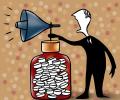
For decades, multinational pharmaceutical companies and Indian drugmakers worked in ways that supported each other: MNCs brought innovation and brands, while Indian companies built scale through generics and cost efficiency. There was an important overlap - generic drugs - but this is shrinking fast. And the consequences are reshaping India's gigantic pharmaceutical market.

The production of Covaxin will increase from the current 10 million doses per month to 60 million-70 million by July-August.

Lumpy Skin Disease has spread in more than a dozen states including Gujarat, Rajasthan, Punjab and Haryana.
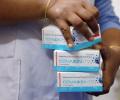
This apart, to further increase capacities, Bharat Biotech has partnered with Indian Immunologicals (IIL) to manufacture the drug substance for Covaxin. The technology transfer process is underway and IIL has the 'capabilities and expertise' to manufacture the inactivated viral vaccines at commercial scale.
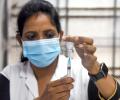
While Covishield supplies would meet the target of 500 mn doses between August and December, it looks like Covaxin would miss the target of 400 mn unless the partner sites of Bharat Biotech ramp up very rapidly, reports Sohini Das.
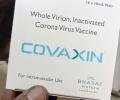
To address the shortage of COVID-19 jabs in the country, the government is exploring the possibility of boosting production of vaccines, including identifying manufacturing sites for indigenously developed Covaxin outside India, sources said.

More than 2 million people have been diagnosed with coronavirus across the world, and the pharmaceutical industry is pulling out all stops to find potential treatments and vaccines for the global pandemic. According to the World Health Organization, there are now more than 70 potential vaccines under evelopment, with some already in clinical trials.

In September, Bharat Biotech aimed to supply 35 million doses, and take this up to 55 million by October. This is still less than what the Indian government expects from the company.
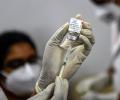
The NIH said results of two studies of blood serum from people who had received Covaxin suggest that the vaccine generates antibodies that effectively neutralise the B.1.1.7 (Alpha) and B.1.617 (Delta) variants of SARS-CoV-2, first identified in the United Kingdom and India, respectively.

'We must not compromise with the standard, the quality. We don't need to be the first to launch a drug but what we need is a Made in India vaccine that the entire world can rely on'
